Car Rental in Turkey in 2026: A Complete, No‑Nonsense Guide
Renting a car in Turkey is one of the best ways to turn a standard beach holiday into a real road trip: you’re no longer tied to hotel animation or group tours, and places like Cappadocia, Pamukkale or hidden bays along the Turquoise Coast suddenly become easy weekend drives instead of “maybe one day” dreams. At the same time, Turkish car rental has its own rules, insurance quirks and a few classic tourist traps you really want to understand before you hand over your credit card.
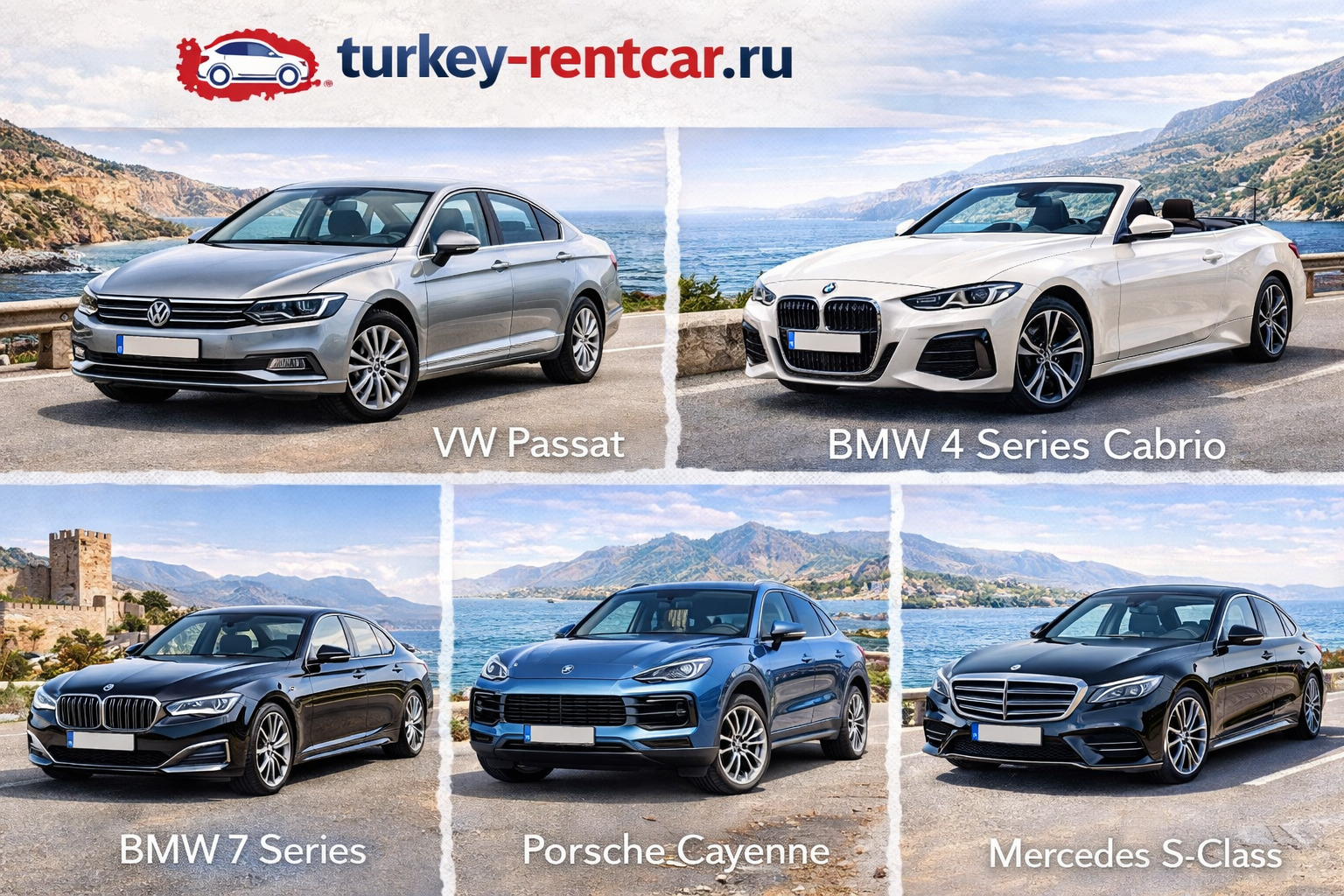
If you already know you want a car and just need a reliable starting point, you can jump straight to selecting a vehicle on a dedicated Turkish car‑rental platform such as Turkey Rentcar, which aggregates options across major airports and resorts in the country.
1. Should You Rent a Car in Turkey at All?
Before we dive into details, it’s worth answering the basic question: does renting a car in Turkey actually make sense for your trip?
You probably should rent a car if:
- you’re planning to explore beyond your resort (waterfalls near Antalya, ancient cities around Izmir, Lycian Coast viewpoints, etc.);
- you’re travelling as a couple, family or small group and want to split costs;
- you value flexibility more than sticking to fixed excursion schedules.
You might not need a car if:
- you’re staying in Istanbul’s historic centre and don’t plan to leave the city – traffic and parking there are notoriously stressful;
- you only have 2–3 full days and are happy with organised tours;
- you’re uncomfortable driving abroad or in intense urban traffic.
A useful rule of thumb:
- Coastal road trip (Antalya, Bodrum, Fethiye, Izmir, Cappadocia) → renting a car is usually worth it.
- Istanbul only, old town hotel → use public transport and taxis, rent a car only for day trips out of the city.
2. Basic Requirements to Rent a Car in Turkey
Most rental companies follow a similar set of requirements, with some variation between local and international brands.
Age and driving experience
- Minimum age is usually 21; some suppliers require 23–25 depending on car class.
- A minimum driving experience of 1–3 years is common.
- Under a certain age (often 25), a young driver surcharge may apply per day.
Always check the age and experience requirements in the booking conditions, especially if you plan to add a second driver.
Documents you need
For most foreign visitors, companies typically ask for:
- Valid passport (with entry stamp not older than six months).
- Domestic driver’s license from your home country.
- International Driving Permit (IDP) – not always checked in practice, but many suppliers list it as mandatory, especially if your license is not in Latin characters.
- Credit card in the main driver’s name for the security deposit. Some local companies accept debit or cash, but big brands prefer credit.
If your license is not in Roman alphabet, assume you must have an IDP; it’s cheap and avoids debates at the counter.
3. How Much Does Car Rental in Turkey Cost in 2026?
Prices vary by season, region, car type and rental duration, but current guides and market overviews show a fairly consistent pattern.
Key factors influencing price
- Season:High season (June–September) can be 30–40% more expensive than off‑season spring or late autumn.
- Location:Popular coastal regions like Antalya, Bodrum and Fethiye typically cost 20–30% more than less touristy inland cities.
- Duration:Daily rates get noticeably cheaper for weekly or longer rentals; 1–2 day rentals are the most expensive per day.
- Vehicle type & transmission:Manual compact cars are the cheapest and most common; automatics and SUVs cost significantly more.
- Pickup point:Renting through hotel desks is often up to 30% more expensive than booking with proper rental agencies or online platforms.
Typical 2026 price ranges (per day, rough ballpark)
Current English‑language guides and price benchmarks suggest something like:
- Off‑season (Nov–Mar):20–35 EUR/day for a basic compact manual, 35–60 EUR/day for mid‑size/automatic.
- Shoulder seasons (Apr–early Jun, Oct):30–45 EUR/day for compact manual, 45–80 EUR/day for automatic or SUV.
- High season (late Jun–Sep):40–70+ EUR/day for compacts, easily 70–120 EUR/day for SUVs and automatics, especially in resort hotspots.
Fuel in Turkey is not cheap, so a fuel‑efficient diesel or small petrol engine will save you money if you plan to cover long distances.
4. Where and How to Book a Car in Turkey
You basically have three options.
1) International aggregators and brands
Platforms like global brokers aggregate offers from multiple providers and let you compare price, insurance and rating in one place.
- Pros: transparent comparison, English UI, reviews, clear insurance options.
- Cons: slightly higher prices than direct local deals in some cases.
2) Local rental companies and regional platforms
Turkey has a strong ecosystem of local rentals, some of which you can find via local comparison sites or tourist blogs. If you prefer a platform focused entirely on Turkey, you can browse and book cars across major destinations on turkey-rentcar.ru/en – the site groups offers by cities and airports, which is handy if you already know where you land.
- Pros: competitive prices, more flexible conditions in smaller cities.
- Cons: variable service level, sometimes weaker English support, more attention needed to contracts.
3) Hotel desks and walk‑in rentals
- Pros: convenient if you decide to rent last minute.
- Cons: limited choice, often higher prices, less time to read terms.
Best practice: book online in advance (especially for summer on the coast), read conditions carefully, and pick up your car at the airport if you want to replace the traditional hotel transfer.
5. Understanding Insurance and the Security Deposit
Insurance and deposits are where many misunderstandings happen.
Types of insurance
At a minimum, your rental in Turkey will include:
- Third‑party liability insurance (equivalent to mandatory liability).
- Some form of collision damage waiver (CDW) and theft protection, typically with a deductible (franchise).
You should check:
- The deductible amount (often 400–1,000 EUR, sometimes more for SUVs).
- Which damages are excluded (e.g. tires, glass, underbody, interior).
- Whether off‑road driving, unpaved tracks or ferries are excluded – important for coastal regions.
Suppliers or brokers often offer “full coverage” / “zero excess” packages, which either reduce your deductible dramatically or reimburse you for charges if something happens. These can be cost‑effective if you’re uncomfortable with a large deposit or plan a long, intensive trip.
Security deposit
Most companies will place a hold on your credit card for a security deposit, often between 300 and 1,000 EUR depending on the car and insurance package. This is released after you return the car without new damage or unpaid fines.
- Make sure your card limit can handle the hold.
- The card must be in the main driver’s name.
- Ask how long it takes them to release the deposit (and how long your bank takes to show it).
If a company advertises “no deposit”, read the fine print: sometimes the deposit is effectively replaced by higher daily rates or compulsory full insurance.
6. New 2026 Rules and Vehicle Standards
Recent legal regulations have tightened quality standards in Turkey’s rental market. According to updated 2026 guides and industry summaries:
- Rental cars must not be older than 5 years and usually must have less than 100,000 km on the clock.
- You have a legal right to full refund on certain prepaid bookings up to 24 hours before pickup, depending on the provider’s conditions.
- Fleet standards and technical checks are closer to EU norms, which is good news for safety and reliability.
This means that compared to 5–10 years ago, the average rental car in Turkey in 2026 is newer, better maintained and covered by clearer regulations.
7. The Rental Process Step by Step
1) Booking
- Compare deals on an aggregator, on local platforms, or directly via turkey-rentcar.ru/en if you want all‑Turkey coverage.
- Filter by automatic/manual, fuel policy (full‑to‑full is best) and insurance options.
- Read terms & conditions before paying: age limits, mileage limits, cross‑border restrictions.
2) Pickup
At the counter or meeting point, you will:
- Present passport, driver’s license (and IDP if required), credit card.
- Sign the rental agreement (read the damage section carefully).
- Receive the keys, inspection sheet and often a basic explanation of tolls (HGS) and fuel policy.
3) Inspection
Before you drive off:
- Walk around the car slowly, filming all sides, wheels, roof and interior on your phone.
- Mark every scratch, dent and crack on the inspection sheet.
- Check the fuel level, mileage, lights, air‑conditioning and basic electronics.
- If you notice anything missing, ask staff to update the sheet.
This is your main protection against the so‑called “scratch scam”, where small existing damage is blamed on you at return.
4) During your rental
- Keep an eye on speed limits, toll roads and parking signs (more on that below).
- Save your rental company’s emergency number and insurance contact.
5) Return
- Fill the tank if you have a full‑to‑full policy.
- Arrive 30 minutes early, especially at airports, to allow for inspection.
- Ask for a signed return report stating that there’s no new damage.
- Keep your copy plus the final receipt until the deposit is fully released on your card.
8. Driving in Turkey: Rules, Tolls and Common Mistakes
Basic road rules
Turkey drives on the right‑hand side. Some key rules and limits:
- Speed limits (unless otherwise posted):50 km/h in cities;90 km/h on rural roads;110–120 km/h on motorways (varies by segment).
- 50 km/h in cities;
- 90 km/h on rural roads;
- 110–120 km/h on motorways (varies by segment).
- Seatbelts are mandatory for all occupants.
- Drink‑driving laws are strict, with low allowed blood alcohol levels and frequent police checks.
- Using a mobile phone without hands‑free is forbidden.
Fines can be high, and many are now enforced via cameras and automated systems; if you get one, it will often be passed to the rental company and then charged to your card later.
Tolls (HGS system)
Turkey uses an electronic toll system called HGS – there are no cash booths on most major highways.
- Rental cars normally have an HGS sticker or tag already installed.
- All tolls are recorded automatically and billed later, either as a separate charge or added when you return the car.
- Don’t enter toll roads without HGS; fines can be up to 10 times the toll amount.
Ask your rental company how they handle toll billing before you leave.
Parking
Parking rules differ from city to city:
- In big cities like Istanbul, Izmir and Antalya you’ll see paid street parking, parking lots and private garages.
- Many areas have attendants or payment machines; in some places parking apps are used.
- Illegally parked cars may get ticketed or towed, with the fine passed to you via the rental company.
In resort towns (Fethiye, Kaş, smaller coastal villages), parking is usually easier but can still be crowded in peak season.
Common mistakes tourists make
Driving guides for Turkey highlight a few repeat offenders:
- Entering toll roads without understanding the HGS system.
- Not carrying all required equipment (two warning triangles are mandatory in Turkey, not just one).
- Speeding on empty rural roads – speed cameras and police checks are common.
- Driving at night on unlit rural roads without enough caution (animals, pedestrians, unmarked obstacles).
9. Regional Tips: Istanbul vs Coastal Turkey vs Cappadocia
Istanbul
Istanbul is the one region where renting a car for the whole stay is often a bad idea:
- Traffic is intense, aggressive and often jammed, especially on bridges and central arteries.
- Parking in the historic centre is limited and expensive.
- For most visitors, public transport + taxis + walking is the smarter option.
A pragmatic strategy is to skip the car while you explore the old city, then pick one up at the airport when you’re ready to leave for other regions. If you land or depart in Istanbul and want a car directly from the terminal, you can book in advance via turkey-rentcar.ru/en/airport/istanbul/ or choose city pick‑up points on turkey-rentcar.ru/en/city/istanbul/.
Antalya and the Turquoise Coast
Antalya is one of the best regions in Turkey for a road‑trip style holiday:
- It’s a great base for car trips to waterfalls, canyons, ancient sites and coastal towns like Kaş and Fethiye.
- Roads between main towns are generally good, but access to secluded beaches can involve narrow, winding roads.
- Summer is busy: book early and be ready for higher prices and more traffic.
If you’re flying directly into the main resort hub, booking a car for Antalya Airport means your rental replaces the classic hotel transfer from day one; this is exactly the scenario platforms like turkey-rentcar.ru/en/airport/antalya/ are built for. If you prefer to start from the city itself or nearby resorts, you can also select pick‑up points around the region via turkey-rentcar.ru/en/city/antalya/.
Cappadocia and central Turkey
- Distances between sights are significant, and public transport is limited; a car gives you maximum freedom to chase sunrise viewpoints and less‑visited valleys.
- Roads are mostly good, but winter (snow/ice) calls for extra caution.
Here, renting a car is arguably the best way to experience the region beyond the standard hot‑air balloon and a couple of group tours.
10. How to Avoid Scams and Unpleasant Surprises
Most rentals in Turkey go smoothly, especially with reputable suppliers, but there are a few patterns worth noting.
- Always document the car’s condition. Photos and video at pickup and return are your best insurance against unfair damage claims.
- Read all fees in advance. Look for admin fees for fines, extra cleaning fees, charges for out‑of‑hours pickup or cross‑border use.
- Clarify mileage limits. Some local companies offer cheap rates with strict daily mileage caps – extra kilometres can add up quickly.
- Beware of “cash only” offers with no paperwork. You might save a little, but you lose all formal protection.
If something feels off at the counter (e.g. you’re being pressured into extra insurance you didn’t plan to buy), pause, read the contract again and don’t be afraid to walk away if you haven’t signed yet.
11. Money‑Saving Strategies for 2026
Based on current 2026 guides and price trends, a few simple tactics keep your costs under control:
- Book early for high season (June–September), especially in coastal hotspots.
- Choose manual transmission if you’re comfortable with it – automatics are rarer and more expensive.
- Travel in a small group – splitting the rental, fuel and tolls between 3–4 people makes driving far cheaper than multiple bus tours.
- Aim for shoulder seasons (April–early June, late September–October): car rental and accommodation are both significantly cheaper than in peak summer.
- Use airport pickup and drop‑off – for example, via dedicated airport pages like turkey-rentcar.ru/en/airport/antalya/ or turkey-rentcar.ru/en/airport/istanbul/ – for longer opening hours and a clearer inspection process.
12. Final Thoughts: Is Car Rental in Turkey Worth It?
For many travellers, renting a car in Turkey in 2026 is one of the best investments you can make in your trip. Prices are still competitive compared to Western Europe, regulations and vehicle standards have improved, and the country is literally built for road trips: coastal highways, mountain passes, ancient ruins and small villages that you’ll never see from a resort shuttle.
If you:
- meet the basic age and license requirements,
- are willing to read the fine print on insurance and deposits, and
- feel comfortable driving abroad,
then a rental car turns Turkey from “hotel + one or two excursions” into a flexible, multi‑stop journey at your own pace. And if you’d rather not start from scratch with dozens of providers, using a specialised Turkish platform like turkey-rentcar.ru/en — with dedicated sections for Istanbul city, Istanbul Airport, Antalya city and Antalya Airport — is one of the simplest ways to align your rental logistics with your actual flight and hotel plans.